
—
Vladislav Mikosha / The time machine. Color. 1930-1970
Moscow. В рамках фестиваля Фотобиеннале 2012
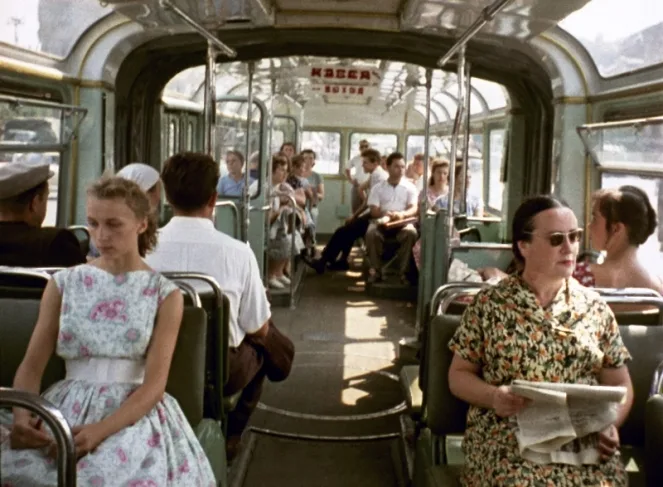
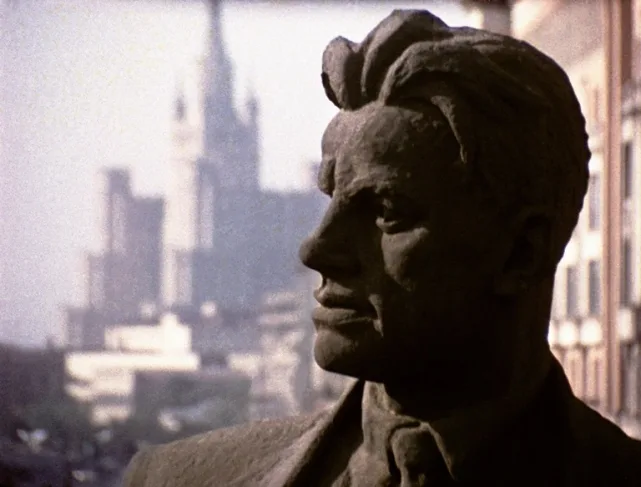
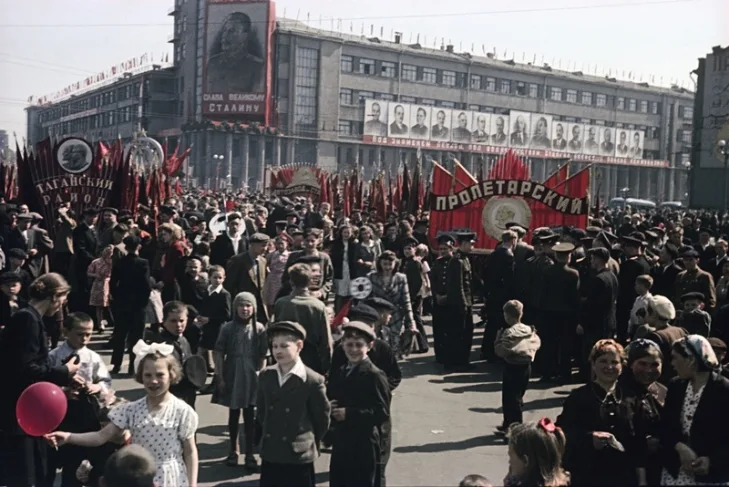
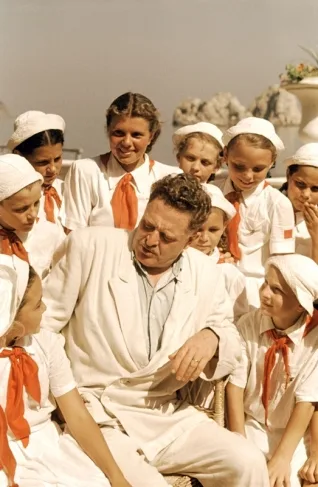
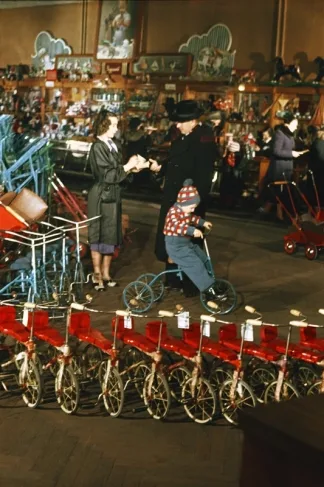
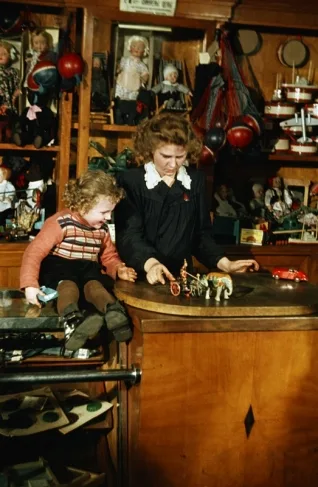
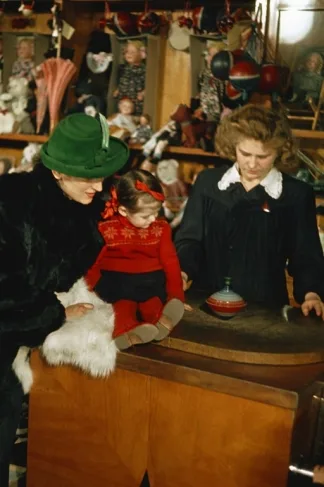
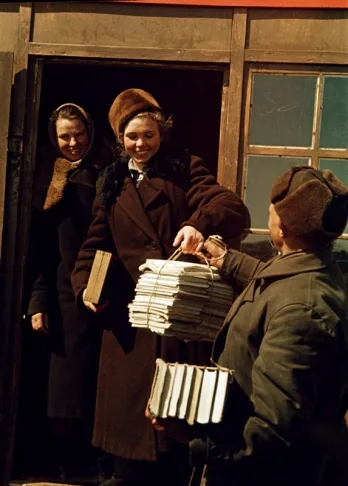
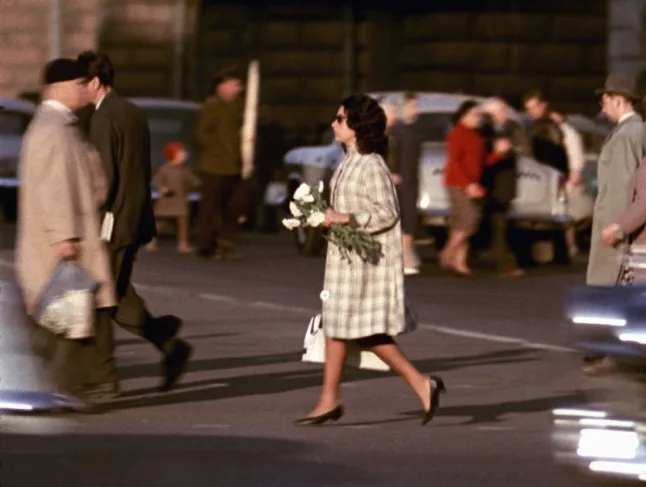
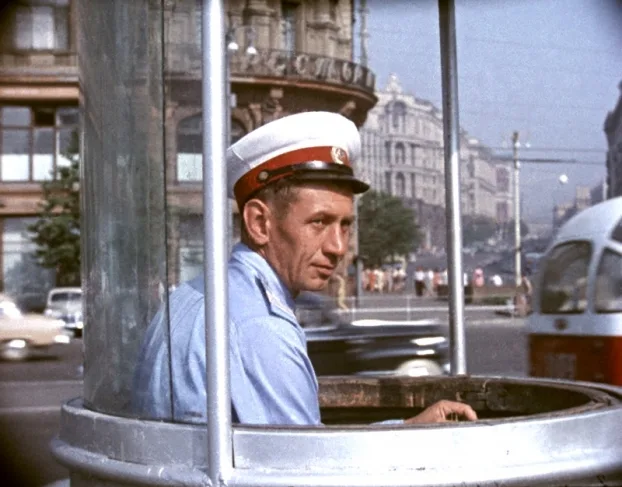
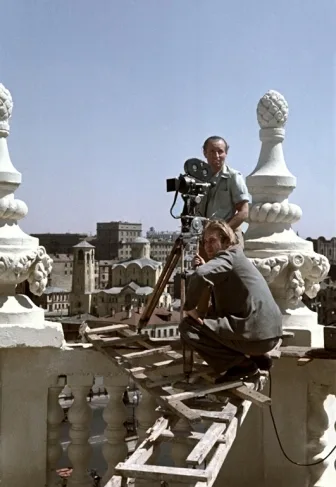
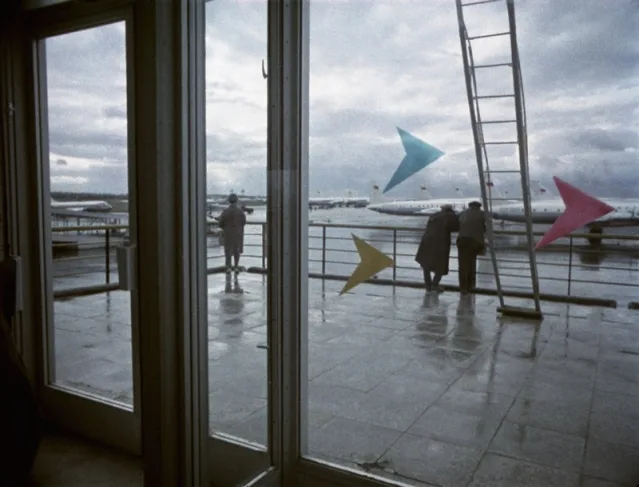
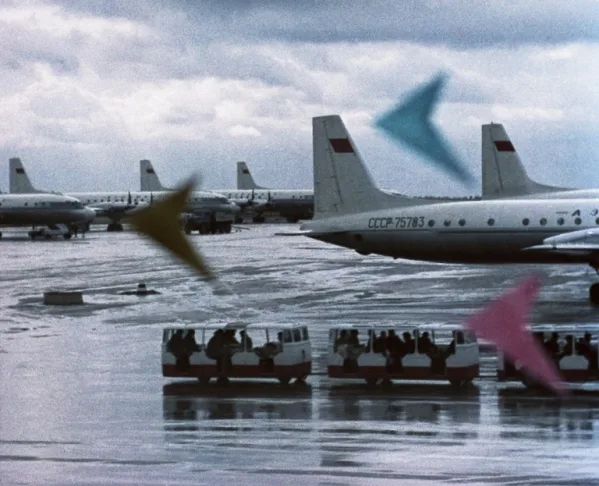
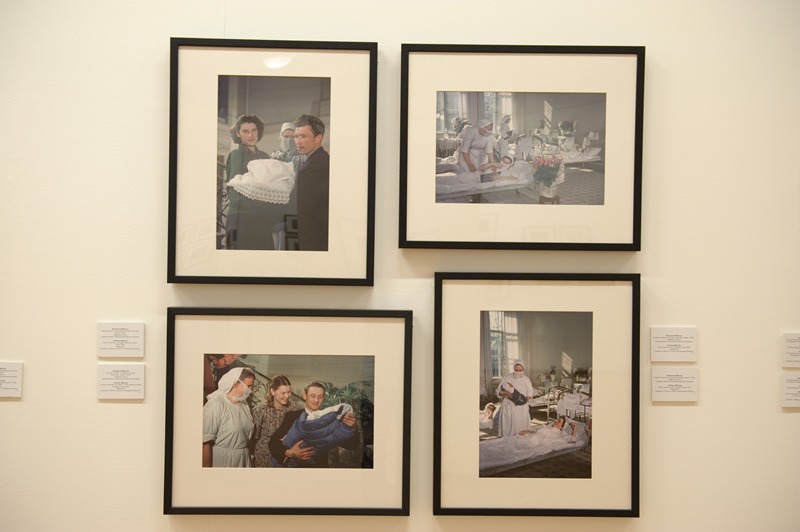
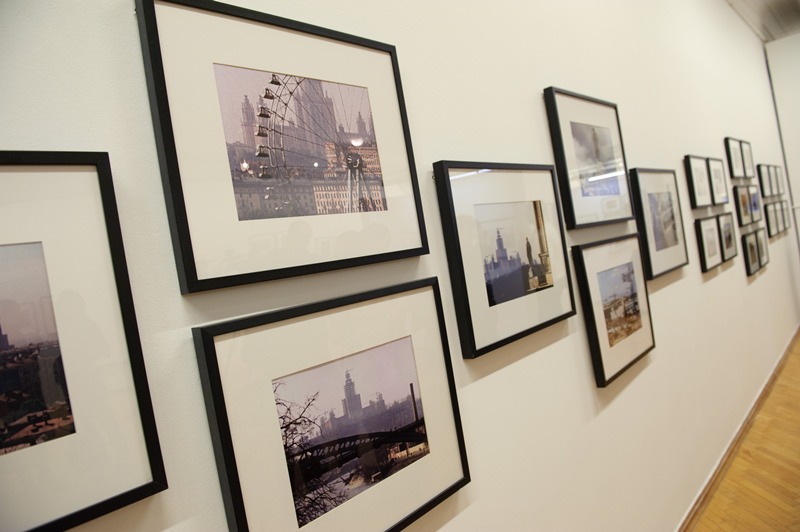
Vladislav Mikosha. Film images of Moscow. From the films of 1950–1970s: ‘Moscow Welcomes You’, ‘Day of Our Life’, ‘City of a Great Fate’, ‘Moscow, Moscow’, ‘Autumn Melodies’, ‘Meeting with Gioconda’ and others. Digital print. Collection of Moscow House of Photography Museum
Curator: Jemma Firsova-Mikosha
This exhibition as part of the Photobiennale 2012 includes about 150 colour photographs of Moscow, taken by Vladislav Mikosha from the 1930s to 1970s.
The time machine. Color. 1930-1970
Over the last four years the Moscow House of Photography Museum has been compiling the photographic archive of legendary photographer and cameraman Vladislav Mikosha
Mikosha was one of the first Soviet photographers to use colour, producing a twenty-minute colour film of the Victory Parade on Red Square, extensive photographic series in colour depicting postwar Moscow and Leningrad, the Crimea and Caucasus, China
The Carbro colour process invented in 1869 was labour-intensive, since it involved trichrome photography and printing by means of complicated colour separation. For this reason many Soviet photographers opted to work in colour when the appropriate printing materials first appeared in 1938, although their enthusiasm quickly cooled. This was partly because the Carbro process ’partially eliminates half-tones and transitional shading’, wrote the critic V. Grishanin in an article for Soviet Photo magazine.
Mikosha was never deterred by technical difficulties or the artistic shortcomings of the Carbro process. He frequently and enthusiastically resorted to colour photography. For the All-Union Agricultural Exhibition alone he took more than a hundred shots. Of the 120 images shown at his solo exhibition in 1940, 20 were in colour. That was a remarkable number in those days. In Ogonyok magazine Yuri Prigozhin wrote: ’Colour photography is a new dimension. [...] But among the few colour photography enthusiasts that have appeared so far, V. Mikosha stands out favourably for his subtle perception of colour’ (Ogonyok No. 20, 1940).
Even after the war it was not easy for Mikosha to work in colour, whether in films or photography. At the cinema studios he literally ’never left’ the technical control department, insisting that they print copies with what seemed to the departmental controllers ’strange’ tints, fishing out from the reject bin his soft, ethereal shots using long-focus optics, with what they deemed ’insufficiently sharp middle ground’.
How it was
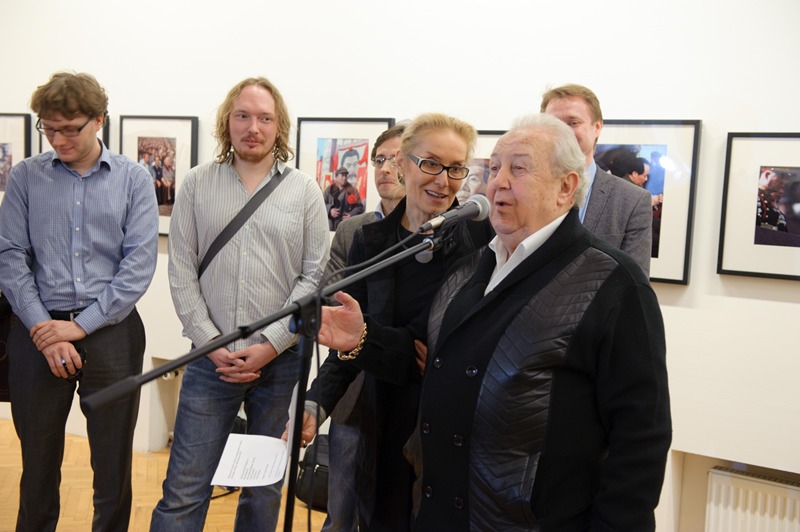

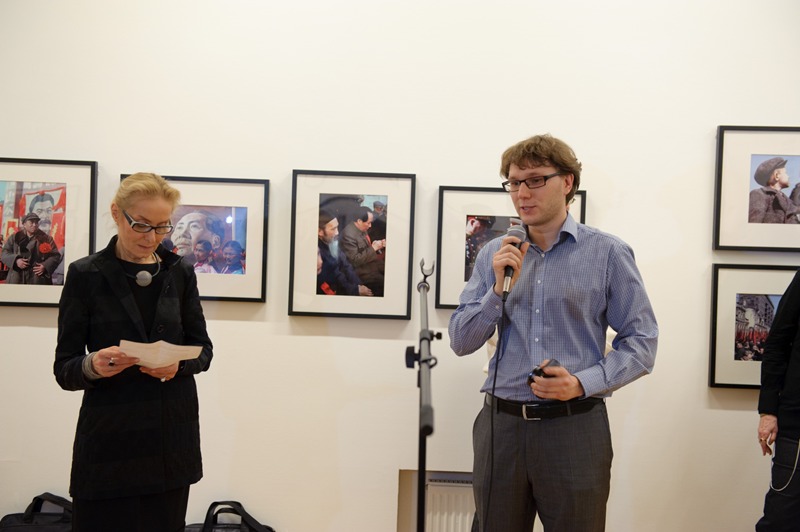
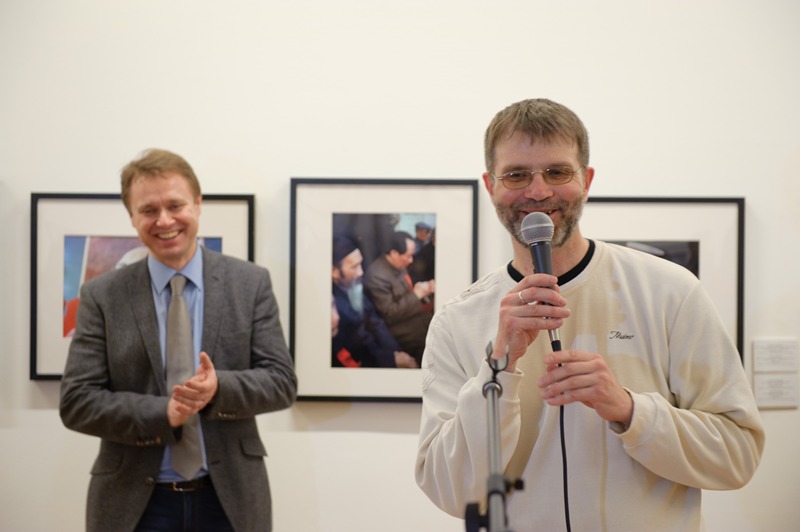
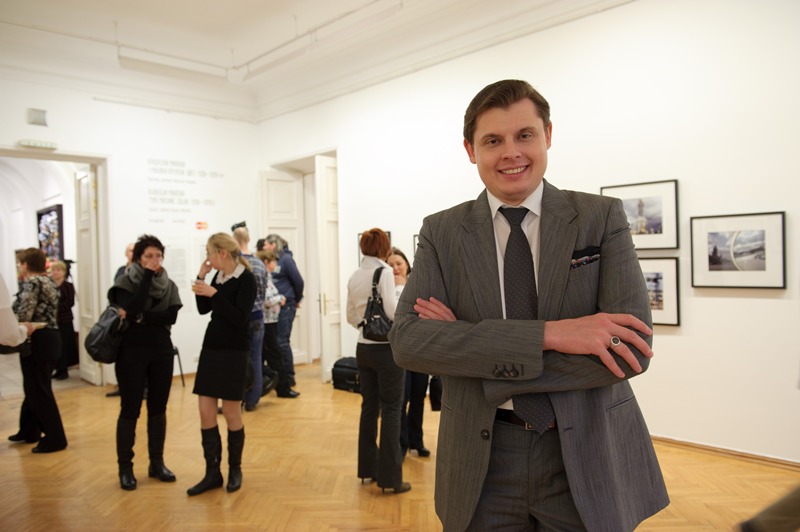
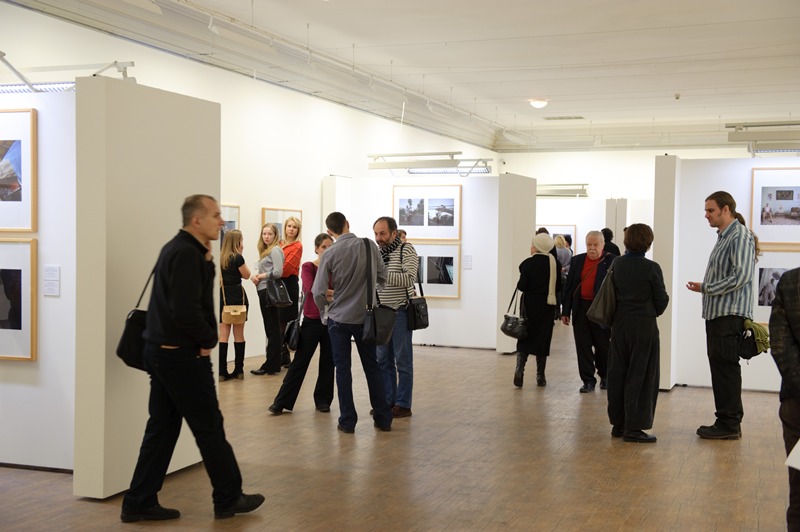
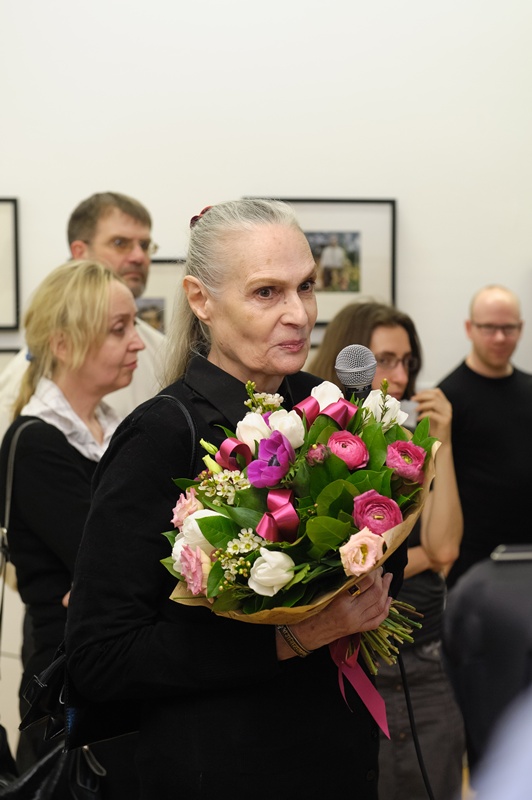
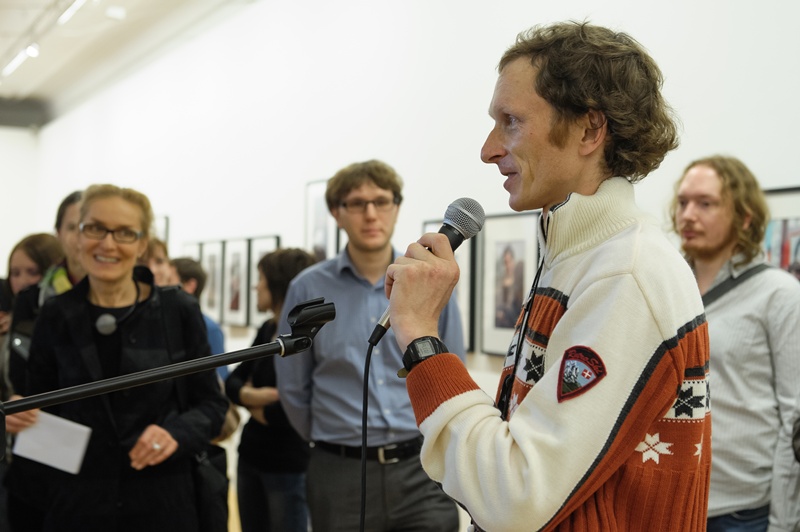
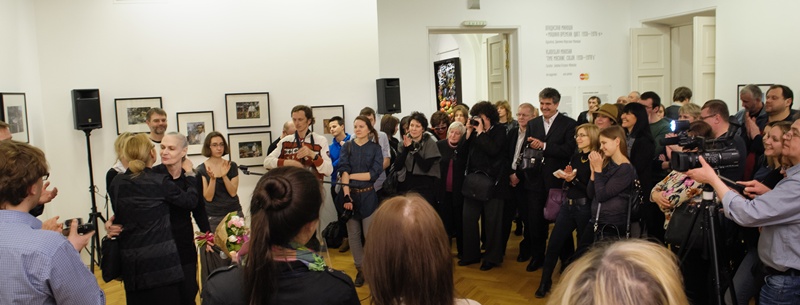
© Антон Галецкий
Where it was shown
Галерея Искусств Зураба ЦеретелиMoscowУл. Пречистенка, д. 19
23 March — 13 May 2012
Дом кино Союза кинематографистов РФMoscow123056, ул. Васильевская, д. 13
3—25 December 2012
Саратовский Областной Дом работников искусствSaratovул. Соборная, 18
17 September — 4 October 2012
Территория творчества «Полигон»Cheboksaryул. И. Франко, 16
12 November — 12 December 2015
Объединение ВЗ Москвы «Галерея "Москва
21 June — 22 August 2021
Дворец Культуры «Магнезит»Satkaг. Сатка, Челябинская обл., ул. 100-летия Комбината «Магнезит», д.1,
24 March — 28 May 2023
Supported by
