—
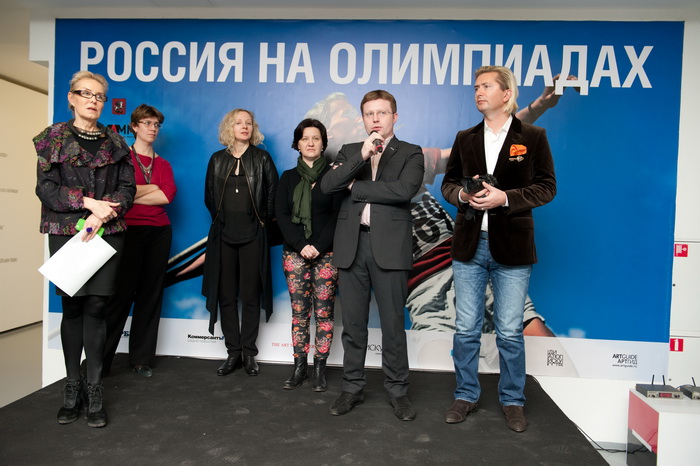
Russia at the Olympiads
Moscow
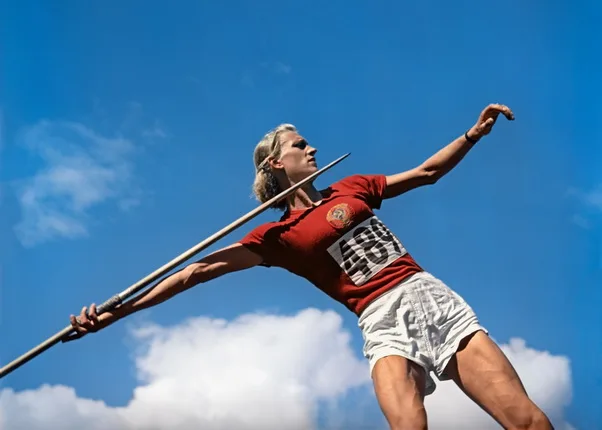
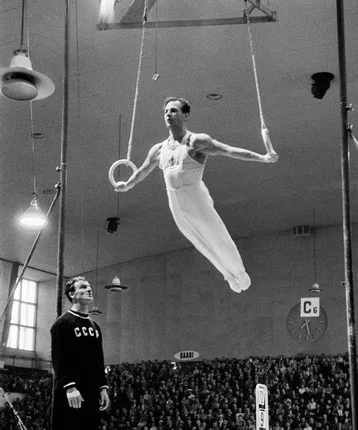
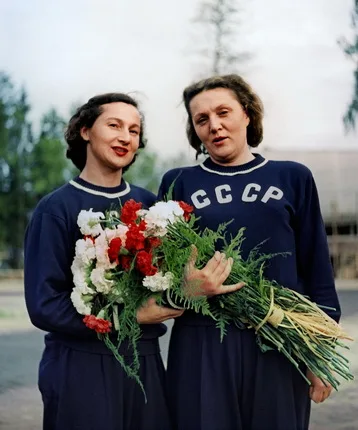
Anatoly Garanin. Alexandra Chudina, who won 2nd place in the track-and-field competitions for javelin throwing. XV Summer Olympic Games. Helsinki, 1952. RIA Novosti archive
Russia at the Olympiads
The Olympic movement in Russia was developed and consolidated from the early 20th century onwards. Despite the efforts of such enthusiasts as military pedagogue General Alexei Dmitrievich Butovsky (personal friend of the Baron de Coubertin and first Russian member of the International Olympic Committee) and Count Georgy Ivanovich Ribopier, who succeeded him at the IOC, initial participation in the Olympic Games by Russian representatives was largely the initiative of private individuals. The first appearances by Russian sportsmen at the 1908 Olympiad in London proved that sport was well established in the country. The hero of the Games was figure skater Nikolai Panin-Kolomenkin, the first Russian Olympic champion in history and five-times Russian figure skating champion, ranked overall best worldwide (1903) and in Europe (1904 and 1908). He was also a tennis player, rower, yachtsman and 12-times pistol shooting champion of Russia. A graduate from the physics and mathematics faculty of St. Petersburg University, he approached the execution of figures with mathematical precision, recording them in diagrams that demonstrated the trajectory of motion. Three of the five participants returned from London with medals.
The Russian Olympic Committee Charter was ratified in 1912, with the provision of state support and funding. Russia was first represented at the 1912 Olympic Games and sent a total of 178 sportsmen to Stockholm, one of the largest teams. The Tsarist government hired an ocean-going vessel from the Birma East Asiatic Steamship Company to convey the sportsmen to Stockholm, and the Olympians used it as living quarters throughout the championships.
After 1912 there was no further participation until the 1952 Helsinki Olympic Games, this time by a Soviet team. In the early post-war years the football, heavy athletics and basketball contingents were internationally acclaimed, and track-and-field athletes, wrestlers, swimmers, skaters, chess players, skiers and volleyball players joined international federations. It was impossible to ignore the achievements of Soviet sportsmen at international championships.
To study the experience of organising competitions, the degree of technical preparation the teams required and the specifics of individual technique among sportsmen, a delegation of observers was sent to the London ХIV Summer Olympic Games in 1948 (shortly before this it was decided that participation in the Winter Games was premature, based on the results of a trip to the St. Moritz Winter Olympics). Their first conclusion was that in most sports disciplines the USSR’s main rival was the United States of America. For many years rivalry between sportsmen of the two countries accompanied Olympic competitions, world championships and many international tournaments.
In 1950 the Olympic Games Organising Committee in Helsinki issued an official invitation inviting Moscow to participate in the Games and it was accepted. The USSR Olympic Committee was established and recognised by the International Olympic Committee. Interest in the subsequent Games was considerably strengthened by this affiliation between our country and the Olympic movement.
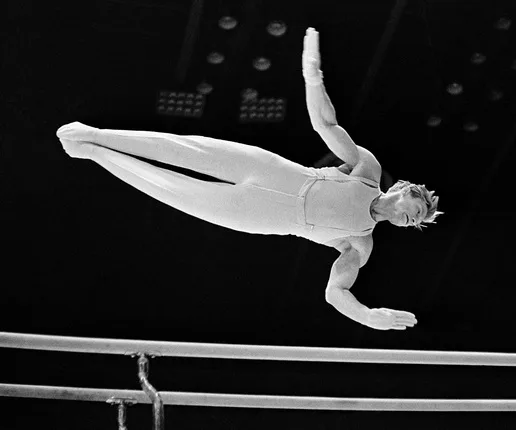
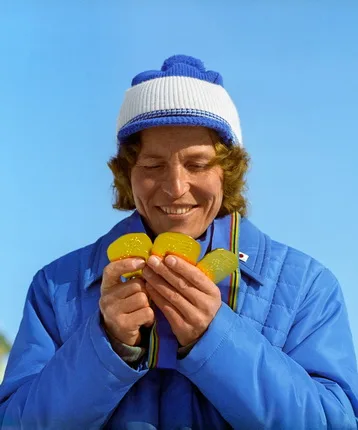
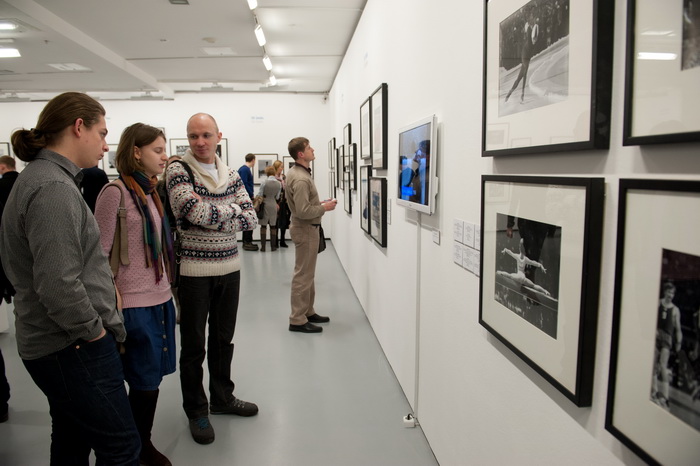
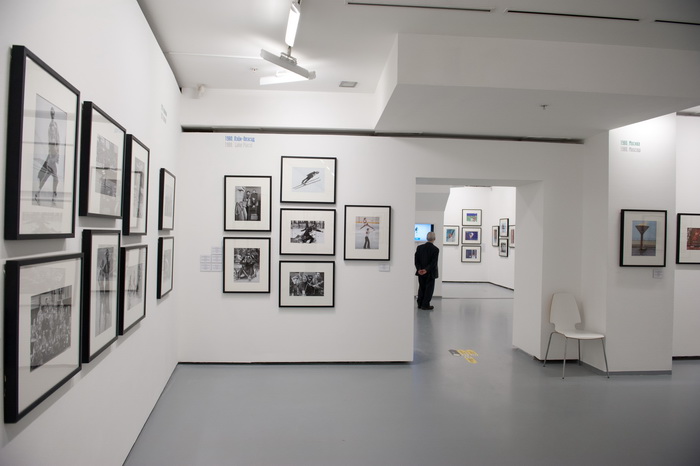
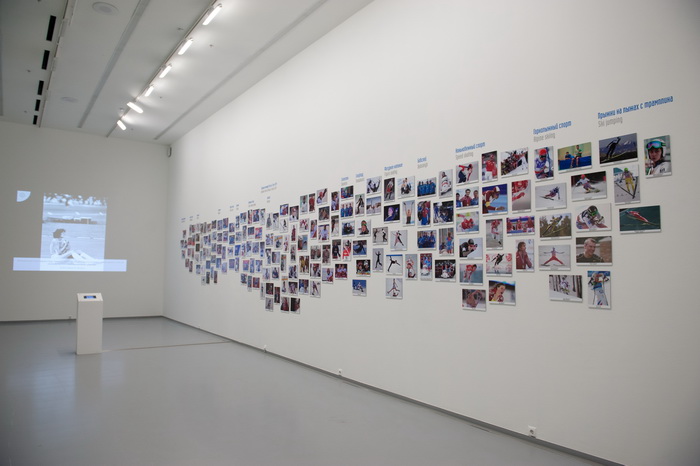
For the USSR, participation in the Olympic Games was a powerful political and ideological factor. The achievements of Soviet sport became a mass ideology, an object of well-deserved national pride against the background of our country’s complex history. Images taken by leading photographers are remarkable for the scale of these events, rendering the history of sport visible and capturing breath-taking records, the faces of champions and the emotions of supporters. The faces of the 1952 Helsinki Olympiad medallists Yuri Tyukalov (rower), Viktor Chukarin (gymnast, winner of 4 gold medals), Maria Gorokhovskaya (gymnast) and Nina Romashkova-Ponomaryova (discus thrower) became well known in the country, thanks to the photojournalism of Anatoly Garanin (RIA Novosti archive).
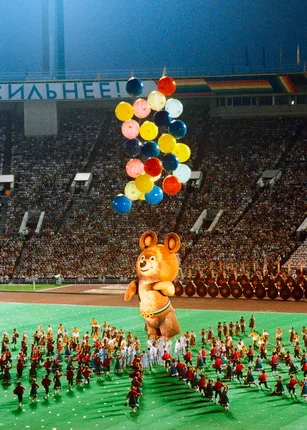
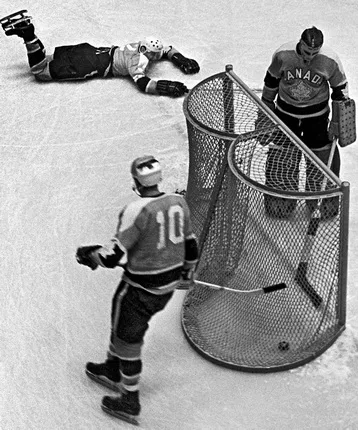
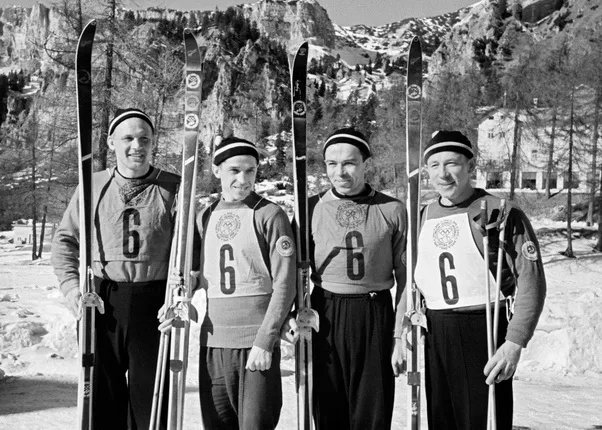
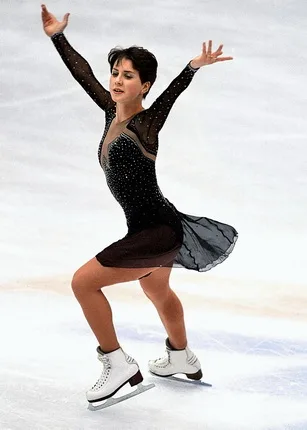
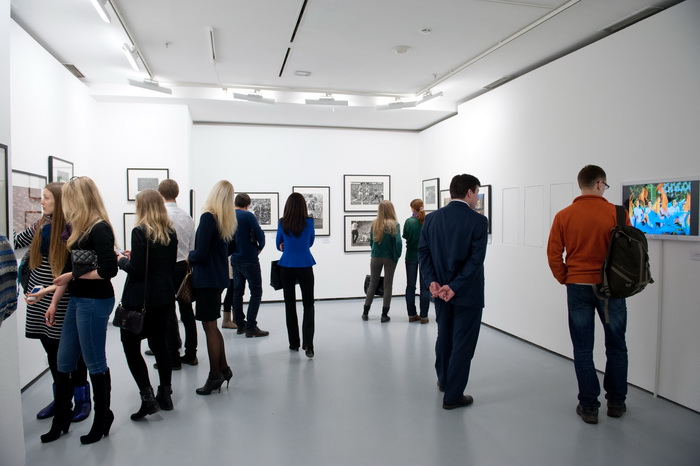
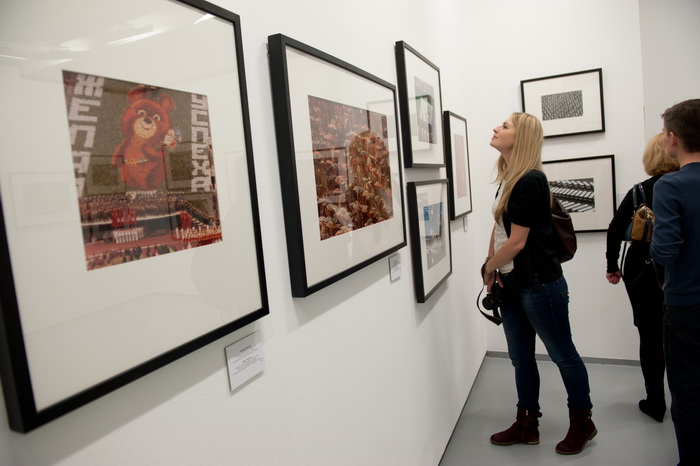
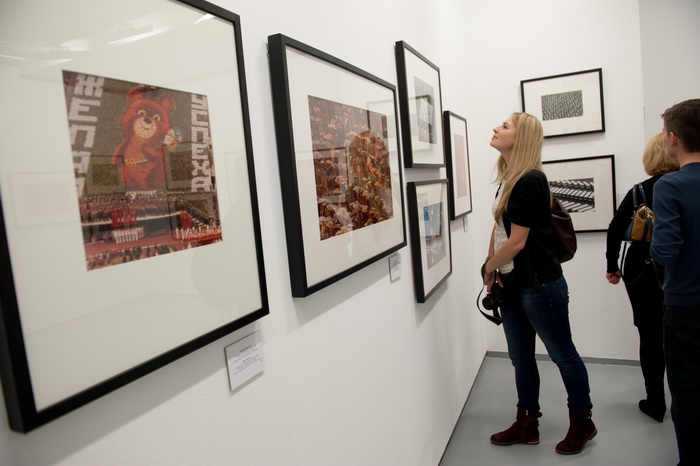
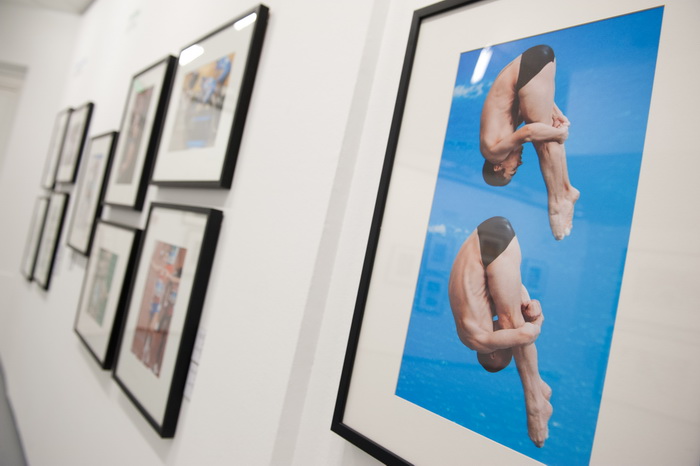
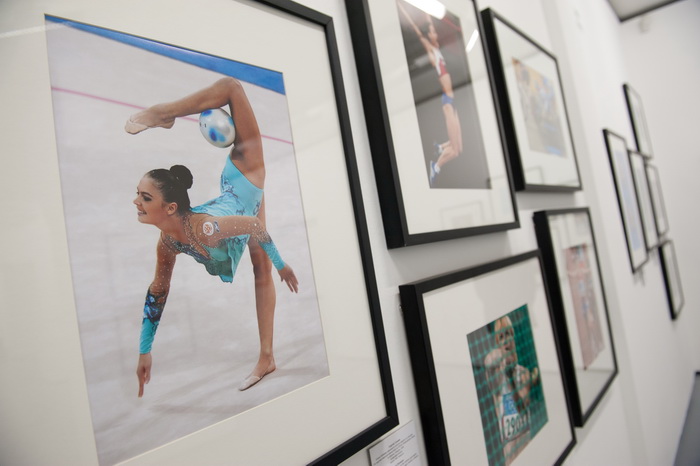
Photographs by APN — RIA Novosti special correspondents Dmitri Kozlov, Boris Malkov, Leonid Lorensky, Yuri Somov, Dmitri Donskoi and Sergei Ilyin show the most striking moments of competitions in different sports disciplines: cross-country ski racing, gymnastics, track-and-field, fencing, biathlon. And, of course, ice hockey and figure skating. Shots of figure skaters and matches played by the ice hockey national team matches mark an apotheosis in the success of Soviet sport. Likewise the gold medals our team won in the Winter Olympiads of 1956, 1964, 1968, 1972, 1976, 1984, 1988 and 1992. No other country can boast of such a thrilling past, even those with a high total of team medals. The Olympic podium was largely occupied by Soviet and later Russian figure skaters. As in ancient Athens, the country knew the names and faces of its national heroes. Classics of Soviet photography Dmitri Baltermants, Alexander Abaza and Lev Borodulin are distinguished by subtle psychological nuances in their portraits of sportsmen and critical sporting moments captured on film. Colour came to sports photography in the 1950s, but it was the 1980 Moscow Olympiad that brought truly colourful images. Complicated political circumstances surrounding the Olympic Games and a boycott of the Moscow championships by a number of Western countries led by the USA, readiness of all infrastructure even prior to the IOC vote yet a lack of experience in receiving foreign guests at such large-scale events — this was the atmosphere of the 1980 Olympiad in Moscow. But it was a real celebration of sport. Colourful and compositionally dynamic works by Sergei Guneyev, Valery Shustov and Andrei Knyazev gave a collective portrait of the ХХII Summer Olympic Games in Moscow.
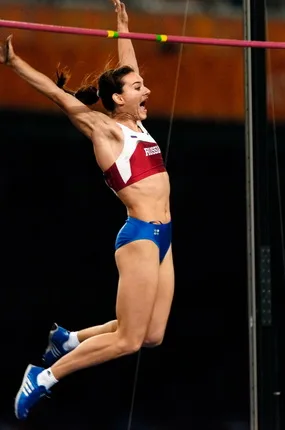
In the 1990s the system of recreational and professional sport in Russia was beset by serious difficulties. Despite the complications, in 2007 a resolution was passed to hold the ХХII Winter Olympic Games in Sochi. In the years it took to build the Olympic facilities there was continuing public debate on the necessity and desirability of hosting the Olympiad. But Sochi welcomes the Olympians. Hopefully we will perceive the Games as we did 34 years ago, as a personal celebration of sport, with the apt slogan ‘Hot. Winter. Yours’.
How it was
Where it was shown
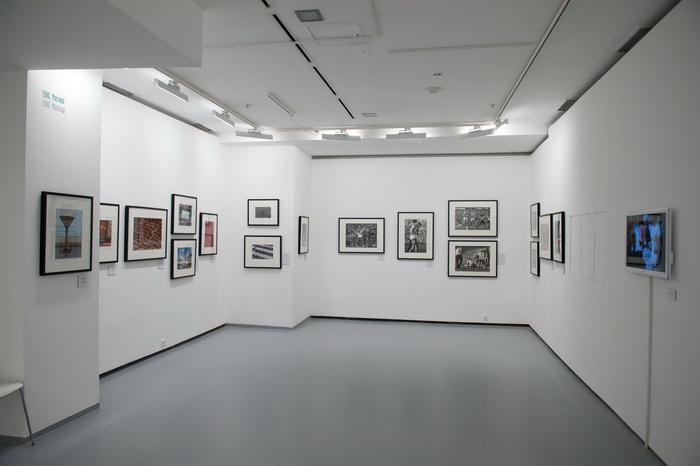
Multimedia Art MuseumMoscowУл. Остоженка, д. 16
6—23 February 2014


Media partners