Proun Gallery
Collection Museum Ivan Gonchar, Museum of national architecture and way of life of Ukraine, Rodovid Galley, private collections
Supprted by Konstantin Grigorishin
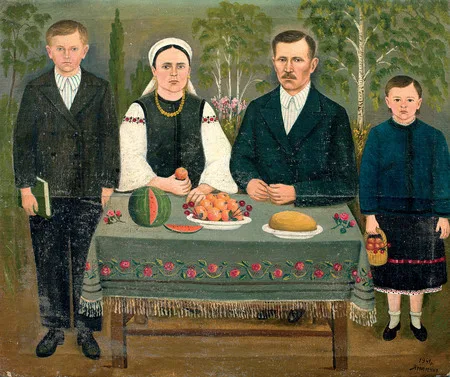
Panas Yarmolenko “Portrait of village of the 1920-1940s”
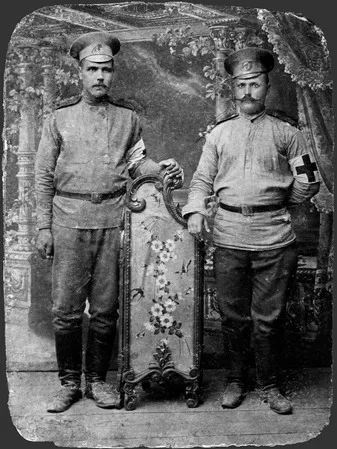
Panas Yarmolenko was born to a large family of farmers in 1886 in the village of Malaya Karatul near Pereyaslavl, Ukraine. Little is known about his education as an artist. According to some sources, he studied art in Pereyaslavl. During World War I, he conscribed to the Russian army together with his brother Arkhip, and was sent to the frontline to serve as a paramedic. In 1917, Yarmolenko married and relocated with his family to Pereyaslav, where he spent over ten years, working in the local arts club and teaching graphics at school.
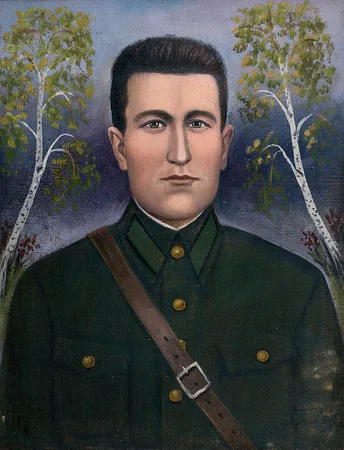
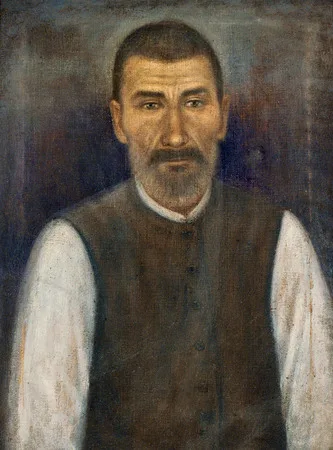
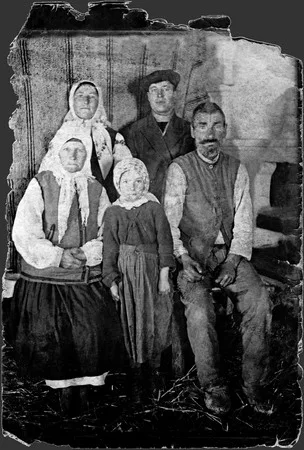
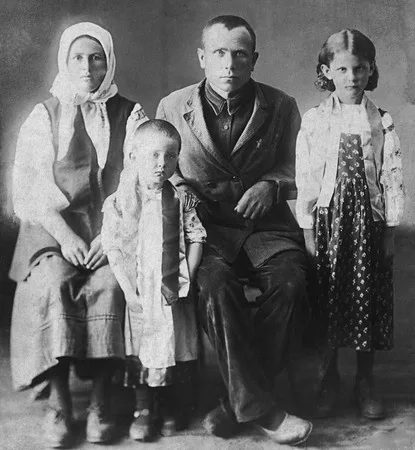
The earliest of his known works were created in the late 1920-ies. Even at that time, Yarmolenko was especially interested in portraiture. He created portraits of children, pictured many Pereyaslavl citizens and made a number of self-portraits. The time after his return to Malaya Karatul was his most fruitful artistic period, though, with the greatest number of his works created between 1932 and 1945. It was at that time that Yarmolenko became interested in group portraiture. He portrayed most of his relatives — members of Yarmolenko and Cherednichenko families, as well as many others locals. He painted portraits of merely all his fellow villagers and people from surrounding places, where the artist would often go looking for commissions, wich where plentiful. According to Olga Nabot, Yarmolenko’s niece, portraits he painted could be found «in almost every house». Every local family was pleased to have portraits of their parents, children or newly-wed couples. There was also a tradition to commission portraits of relatives who had recently died or left the village. These pictures were often painted after photographs, which explains their somewhat rigorous and static manner. The artist’s models mesmerize the viewer with their austerity, concentration and inner integrity. Yarmolenko’s works, with their frontal, static and often ponderous figures, laconic and expressive gestures, solemn characters, serious and staring glances pointing at the viewer, have a lot in common with icons.
With Panas Yarmolenko’s death in May 1953, the village family portrait fashion soon faded. From 1930-ies to 1950-ies, village houses everywhere in Ukraine were decorated with paintings, but in 1960-ies people tended to prefer colorful embroideries. There was no room for the old portraits in the new homes of villagers, and the paintings were left and forsaken in the old ones.