—
Faith. Hope. Manchuria. Russian Old Believers in the Photographs of Japanese Scientist Yamazoe Saburo. 1938–1941
Moscow
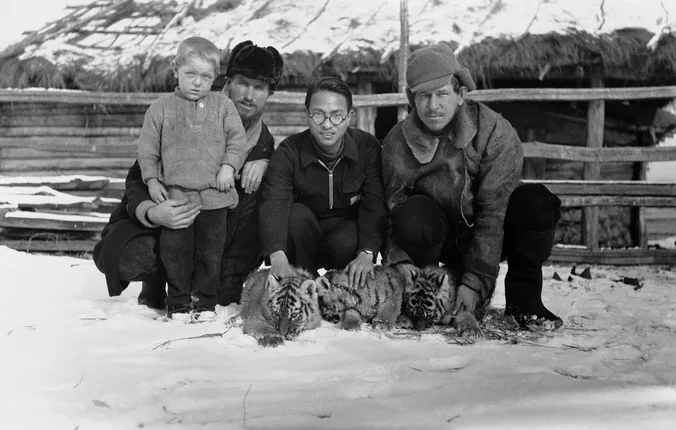
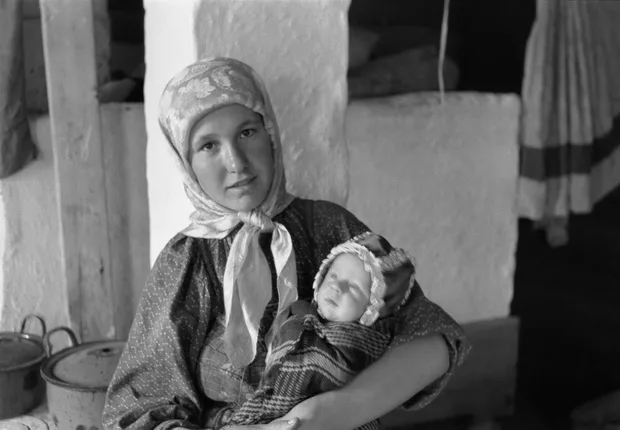
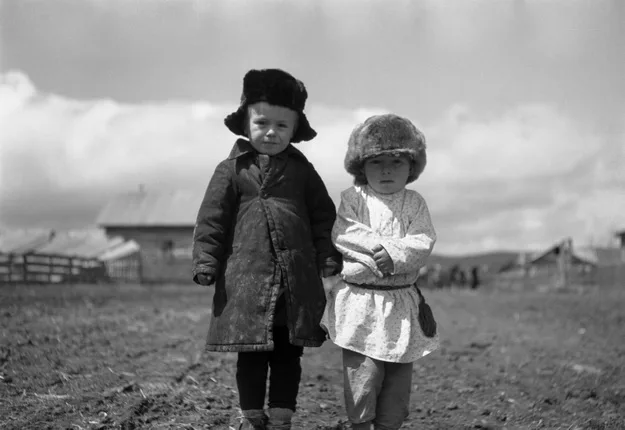
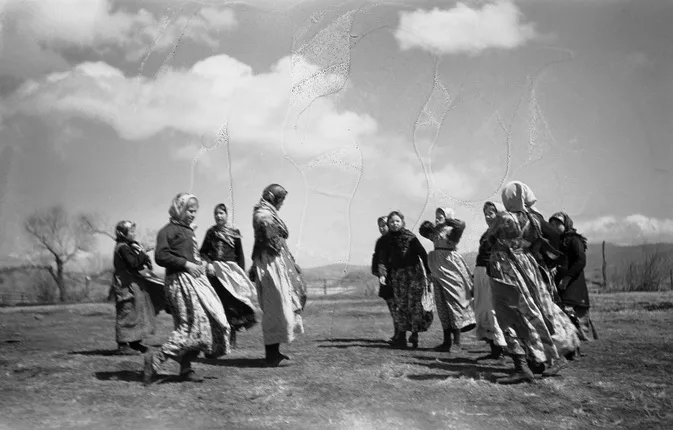
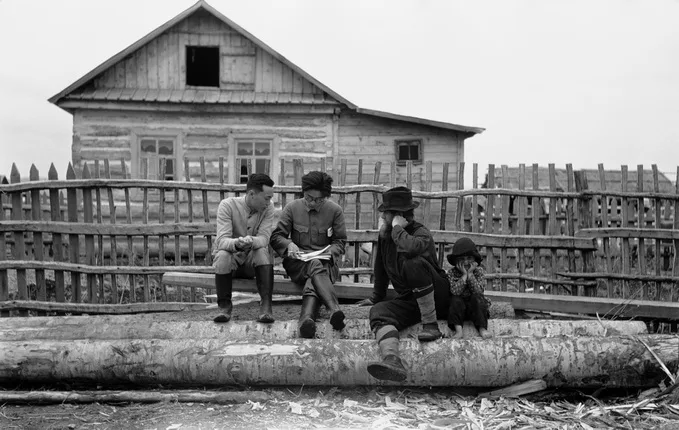
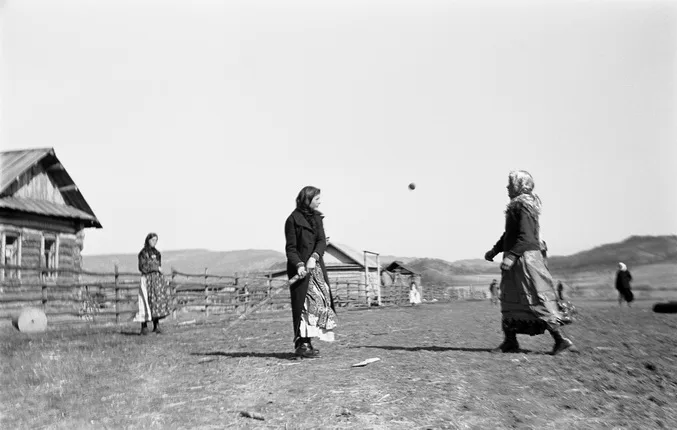
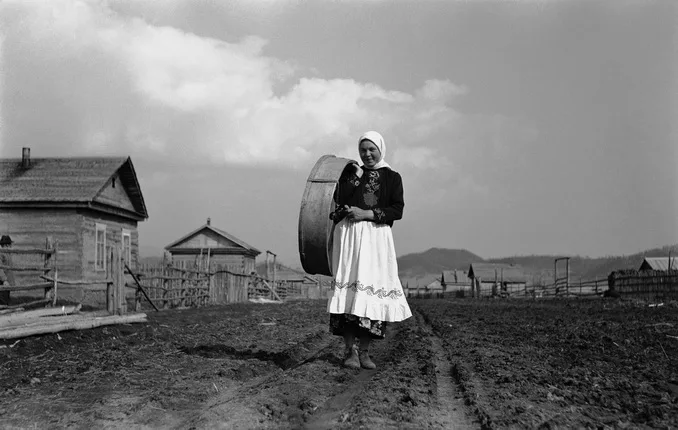
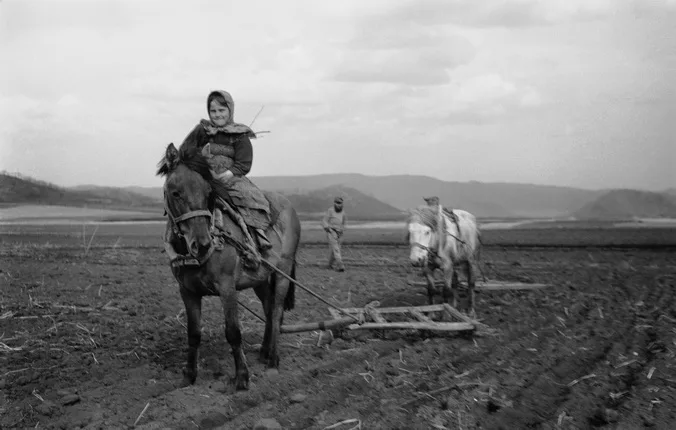
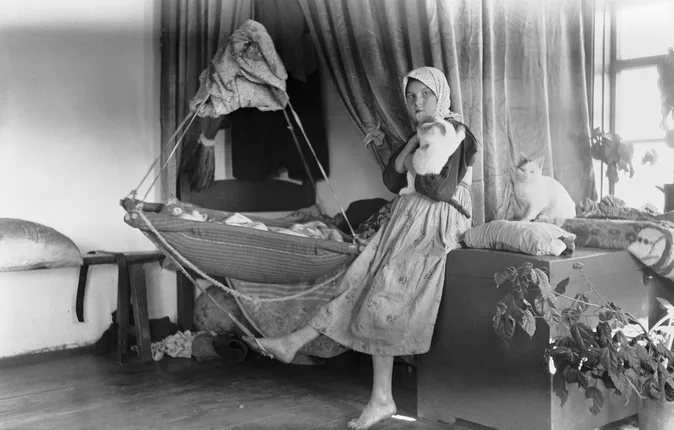
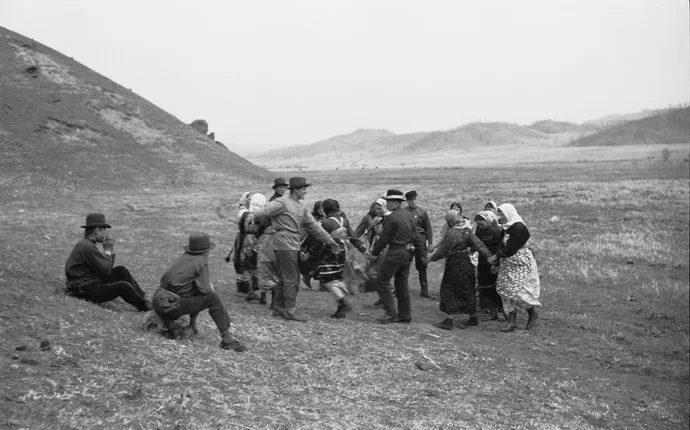
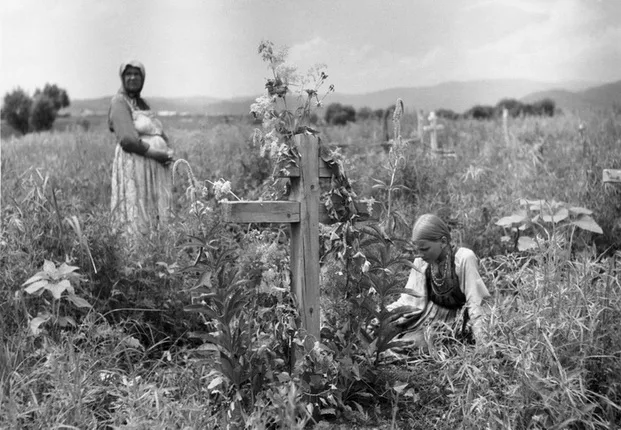
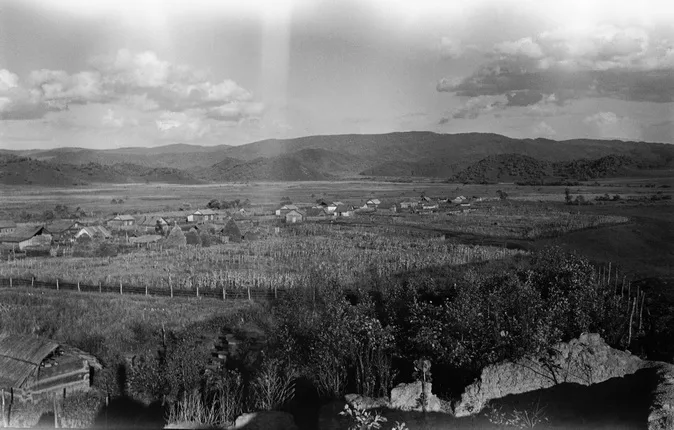
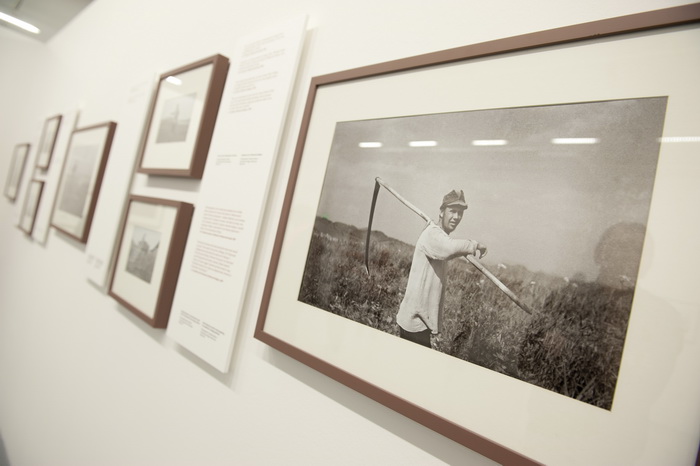
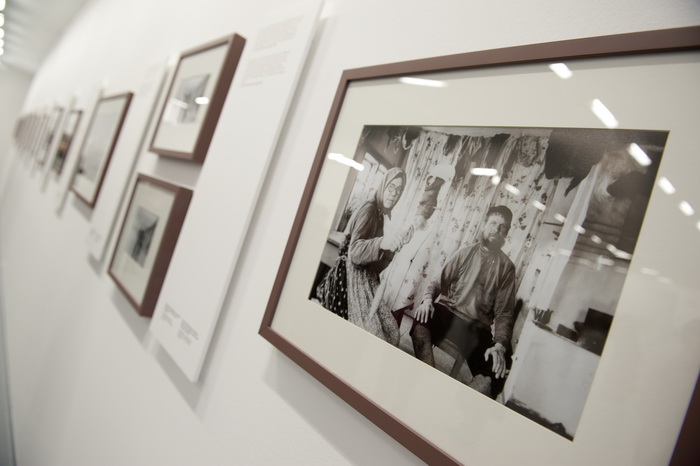
Yamazoe Saburo. Yamazoe Saburo (centre) with hunters Sidor Vlasovich Kozhin (left) and Anisim Ivanovich Kalugin. Left: Pavlik Kalugin. Romanovka village, Manchuria. 1938–41. Arseniev State Museum of Primorsky Region in Vladivostok
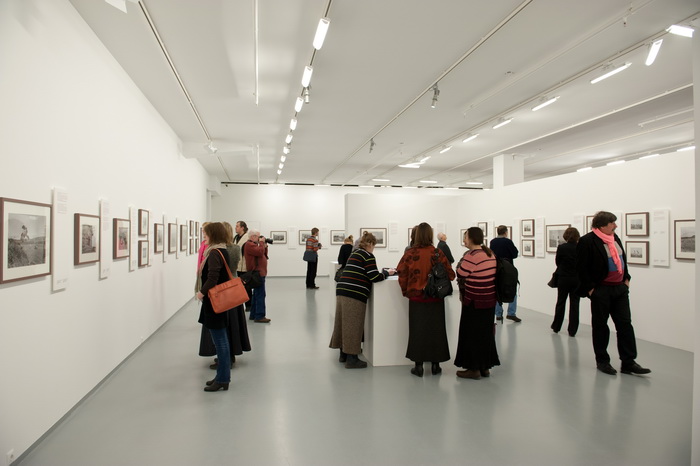
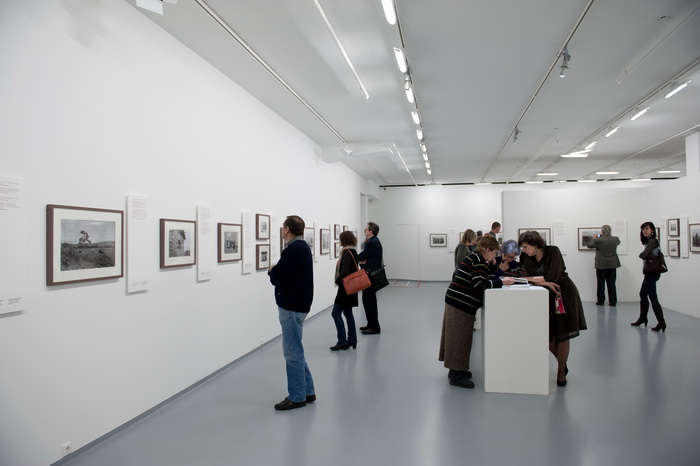
The exhibition shows a unique collection of photographs from the Arseniev State Museum of Primorsky Region in Vladivostok.
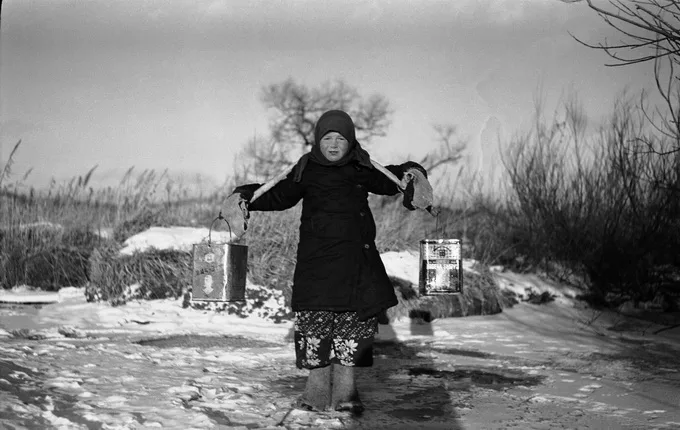
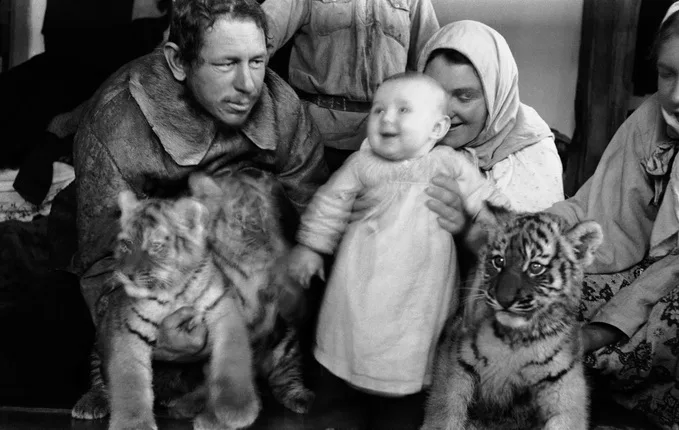
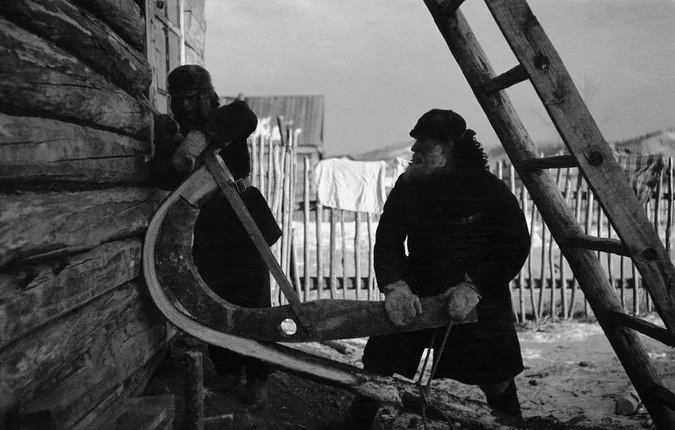
The subject of these works is the Russian Old Believer village of Romanovka, which is located between Harbin and Mudanjiang in the midst of Manchuria, not far from the Chinese Eastern Railway Line. Fleeing from collectivisation and political repressions in Soviet Russia, Old Believer peasants moved there from Primorsky Krai in the early 1930s. They gave their village the name of Romanovka in honour of the former imperial family and settled down in their new home, preserving the foundations of their faith and their hope for the chance of a peaceful and dignified life. Romanovka was founded in 1936 and rapidly developed into a prosperous village in the space of only three years.
Faith. Hope. Manchuria. Russian Old Believers in the Photographs of Japanese Scientist Yamazoe Saburo. 1938–1941
All the exhibited photographs were taken by a Japanese biochemist called Yamazoe Saburo
Yamazoe Saburo paid many visits to Romanovka, where he spent much time witnessing different events from everyday life. He appears to have established a close rapport with the villagers, who pose without constraint for his camera. Although the scientist’s prior task was to study the diets of the local inhabitants, his images do not suffer from documental dispassion or scientific dryness. These portraits of peasants and pictures of everyday life are full of poetry, sympathy and genuine interest in the heroes of the photographs. Thanks to their colonising plans and technical equipment, the Japanese scientists and photographers (besides Yamazoe Saburo, Romanovka was visited within these years by professional photographers as well) managed to create the world’s only photographic document of the traditional way of life of the Old Believers — a group of people whom the previous three hundred years of their history had taught to always welcome outsiders into their midst. The result is truly priceless material for all those interested in the history of the Old Believers.
The subsequent fate of the collection is equally fascinating. With the help of another Japanese professor, Nakamura Yoshikazu, a leading Slavist who translated the Russian epic The Lay of Igor’s Host into Japanese, the photographs were awarded to the Arseniev State Museum of Primorsky Region in Vladivostok in the middle of 2000s. Over a period of several years, curators Vera Kobko and Nina Kerchelaeva attempted to track down all the people depicted on the photographs. This search covered several continents, from Khabarovsky Krai in Russia to Australia and the United States. The curators have managed to identify everyone, including the babies lying in cradles. They were assisted in the United States by Tamara and Richard Morris, two American experts on the Old Believers. In this way, a historical document has been transformed into a story of real individuals, some of whom are still alive today.
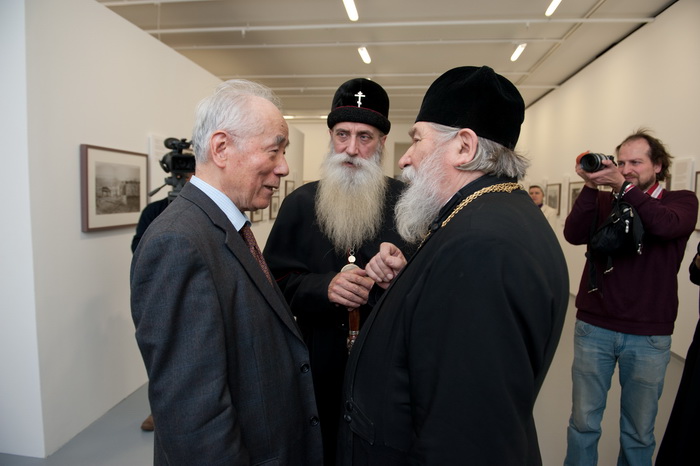
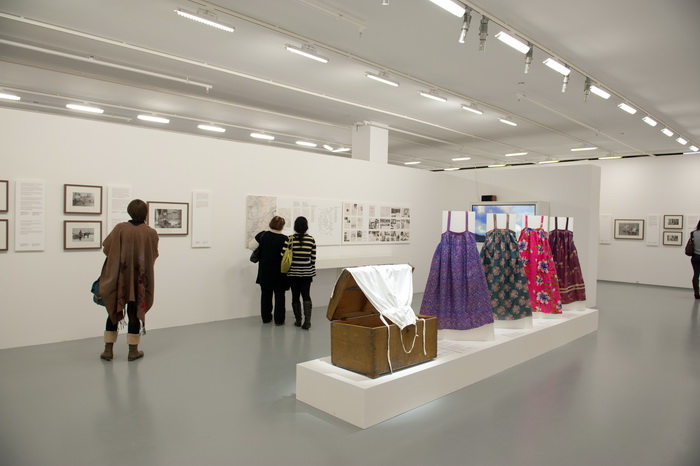
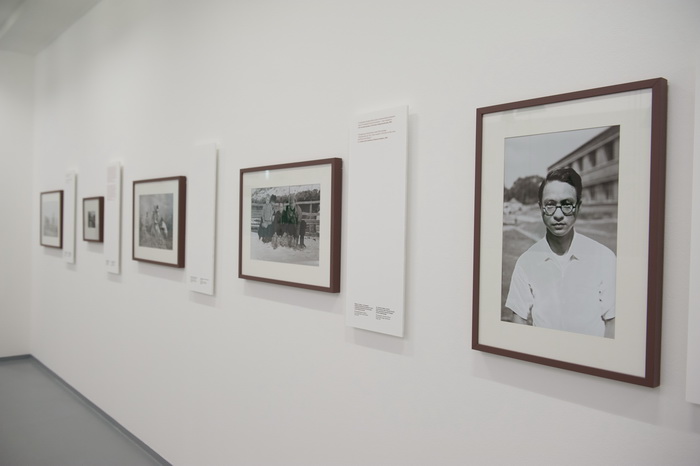
In the course of their investigations, the curators recorded numerous memories and recollections, recreating a picture of the life of the village. This history was interrupted in 1945, following the arrival of Soviet troops in Manchuria, when many heads of families were arrested and imprisoned. By the mid-1950s, life in Romanovka, which was already located on the territory of People’s Republic of China had gradually died out. Some villagers followed their imprisoned fathers, husbands and brothers back to the Soviet Union, while others emigrated to South America, Australia and the United States. The photographs and memoirs have now been brought together on display. The exhibition also shows the historical belongings of Old Believer families from Romanovka village — travelling chests, costumes and prayer ropes, which accompanied their owners on a lifetime of wanderings. This combination of archive portraits with real objects and real ‘voices’ commentating the photographs creates a remarkable effect, bringing Romanovka back to life — just like a freshly developed negative.
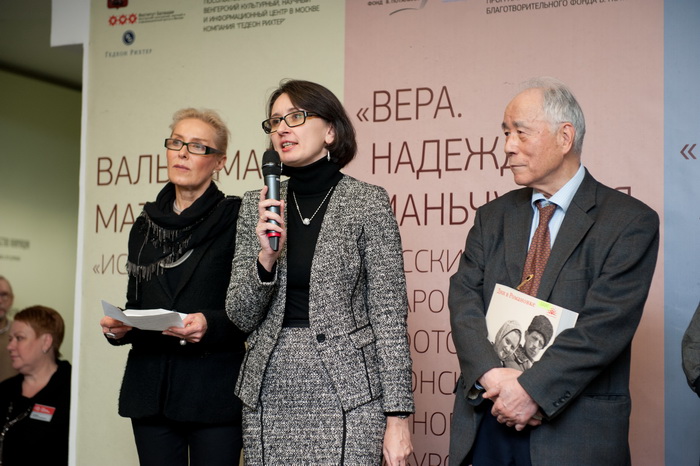
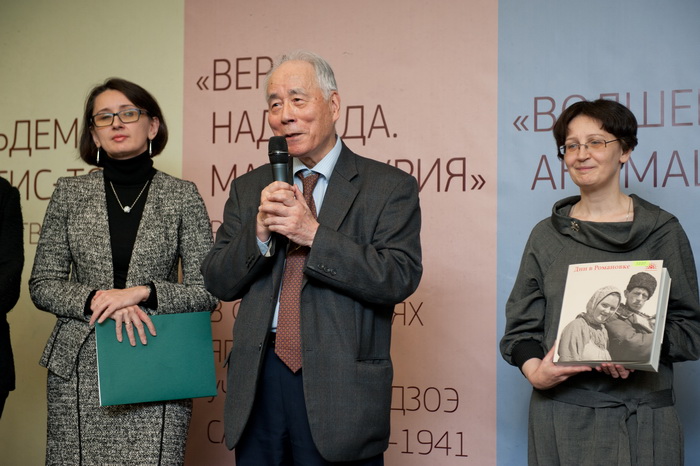
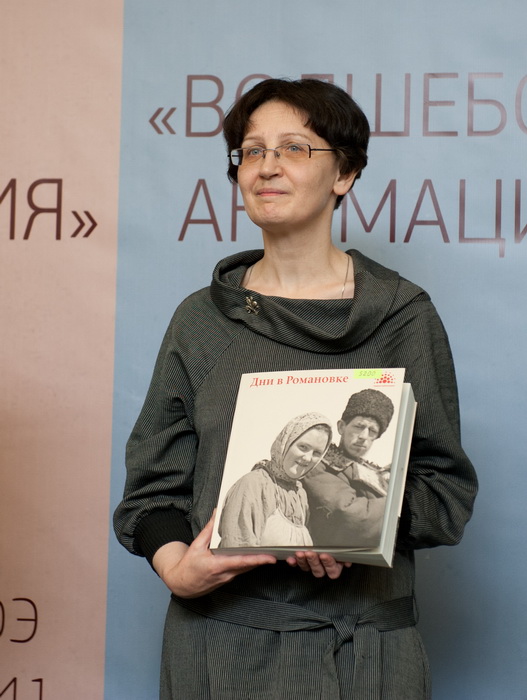
The exhibition is timed to coincide with the launch of the book Days in Romanovka: Japanese Photographs of a Russian Old Believer Village in Manchuria in the Late 1930s and Early 1940s from the Collection of the Arseniev State Museum of Primorsky Region in Vladivostok, which is published within the framework of the ‘First Publication’ Programme of the Vladimir Potanin Charity Foundation in 2012. Besides photographs by Yamazoe Saburo, the book includes works by professional Japanese photographers who visited Romanovka and published their photographs in albums between the 1940s and mid-1970s (a total of over 230 photographs, accompanied by extensive commentaries and memoirs). The publication also contains information on the history of the Old Believers, compiled by leading experts on this subject, helping the reader to better understand and appraise the place of Romanovka in the global historical-cultural context.
During the exhibition there will be an opportunity to watch the movie dedicated to the Old Believers of Primorsky Region In Search of Paradise (directed by Irina Bakhtina) as well to attend lectures on the Moscow Old Believers.
How it was
Where it was shown
Multimedia Art MuseumMoscowУл. Остоженка, д. 16
21 December 2012 — 27 January 2013
Supported by