
—
The Art of the Archive. Photographs from the Archives of the Los Angeles Police Department
Moscow. В рамках фестиваля Фотобиеннале 2012
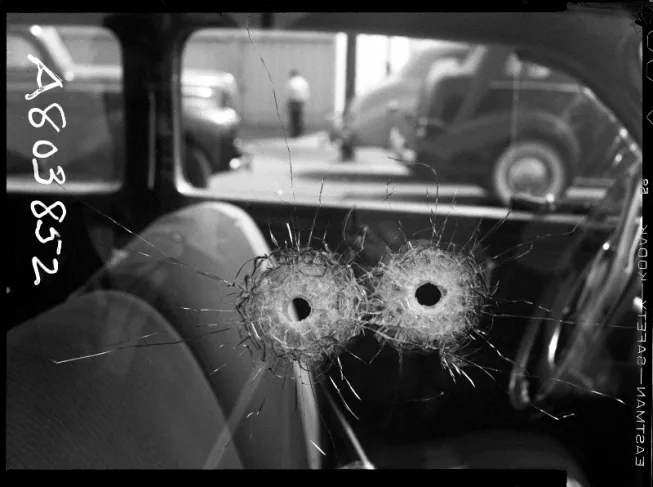
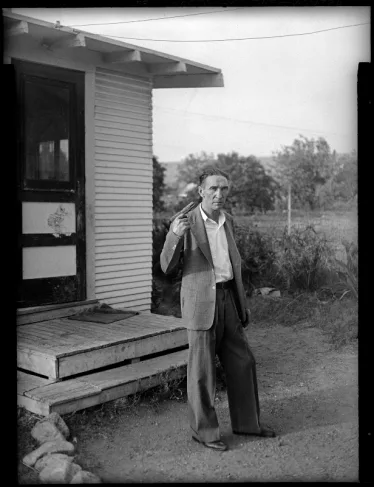
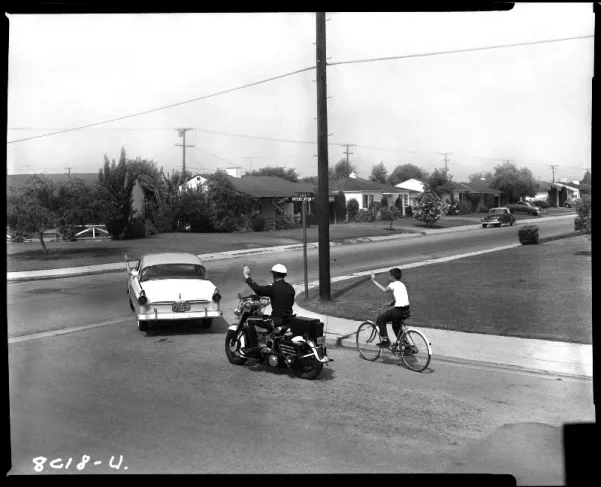
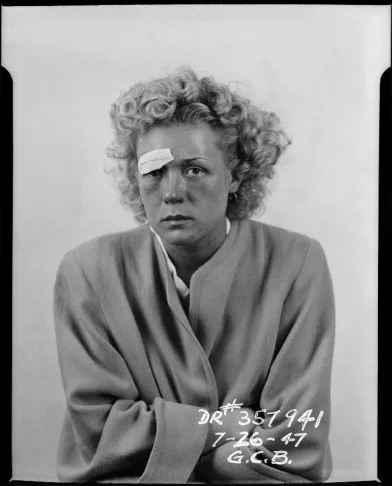
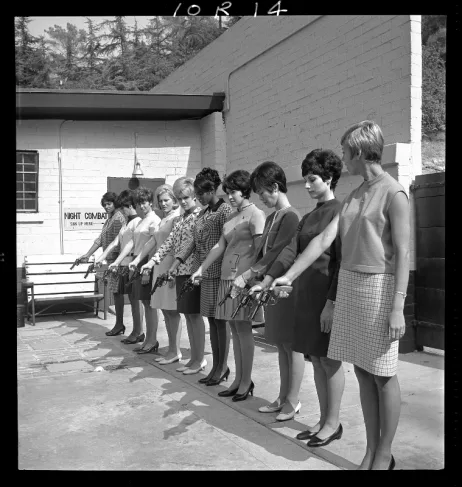
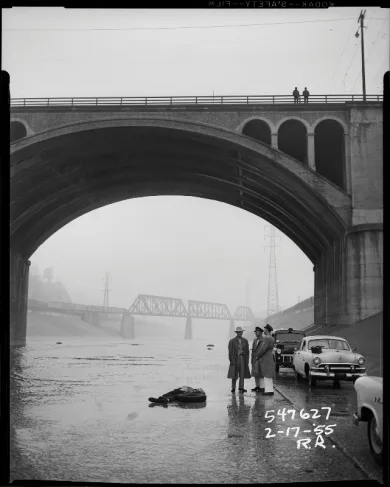
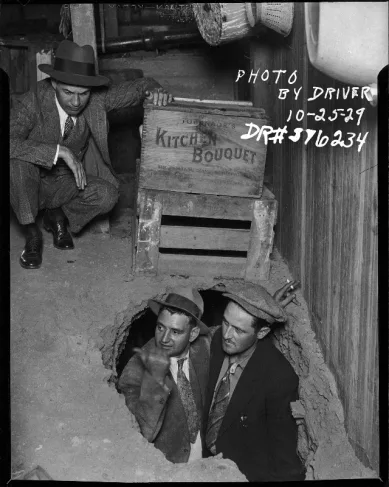
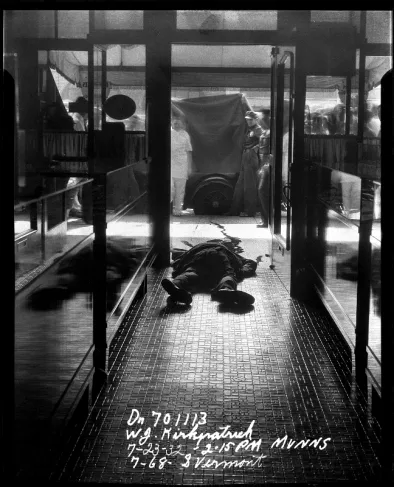
Unknown. Close up of bullet holes in car window Atty. Murder. 10.10.1942. Gelatin silver print. Courtesy Fototeka Los Angeles
Exhibition organized by Museum «Moscow House of Photography and made possible through the cooperation of Fototeka, Los
Angeles, and the Los Angeles Police Department. Curated by Tobia Bezzola, Robin Blackman and Merrick Morton.
Photography has long been an essential tool for law-enforcement investigators. Police archives
therefore contain a rich variety of photographic images. They not only provide identification (mug
shots, fingerprints) and evidence (scenes of crimes and accidents) but also serve the purposes of
surveillance and demonstration (re-enactments, court exhibits) as well as of public relations or police
training.
As we know, photographic images can easily migrate from their original context to a new and
entirely different one and they are in this process subject to a shift of meaning. But why is it that
among perhaps million photographs in the Archives of the Los Angeles Police Department one finds
a particularly high number of images that lend themselves to such a transfer of meaning — from
document to composition, from evidence to work of art? Certainly one reason is that they show us
scenes from the most mediated town in the world, «unviewable save through the fictive scrim of
its mythologizers» (Michael Sorkin). And, in such a highly image-conscious city, the photographers
working for the Police Department must have been more aware of the aesthetic quality of their
work than they would anywhere else. And the police themselves were certainly not unaware of or
unresponsive to the image that the city’s film and television industries created of them.
Today these historic photographs from the Archives of the LAPD no longer serve as documentation
of specific criminal acts (save for a few celebrity cases). But we can discover in these archives not
only stills from one long imaginary film noir but also images that stand comparison with the best of
twentieth-century documentary photography (if not for the inscription on the negative many could
easily be mistaken for works by Walker Evans or Helen Levitt) or even with staged works of art-
photography by Surrealists of the 1930s (Brassaï, Boiffard) or again with late twentieth-century
conceptualism. And it should not be rashly assumed that these extraordinary pictures came to life
fortuitously, naively and without any artistic purpose. Maybe one day the pantheon of twentieth-century
American photography shall be enhanced by the addition of as yet unfamiliar and unexplored authors
with such names as Hoewner, Driver and Munns.
Where it was shown
Multimedia Art MuseumMoscowУл. Остоженка, д. 16
7 March — 24 April 2012
Supported by
