
—
Punk Perestroika 80
Moscow
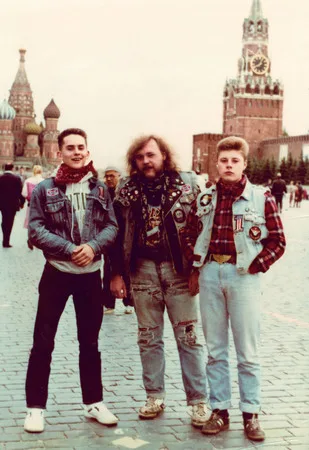
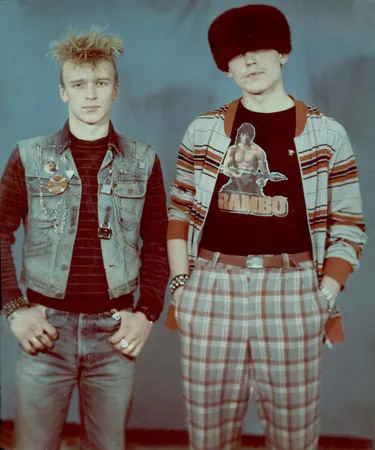
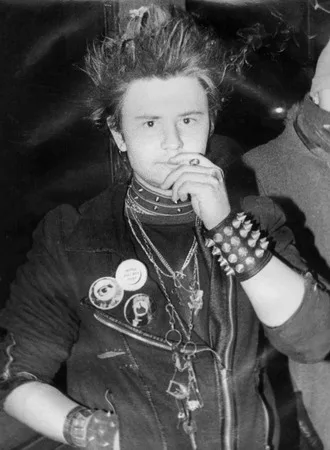
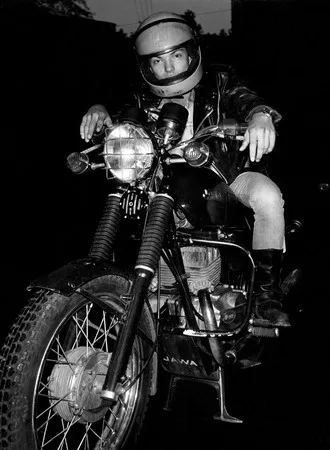
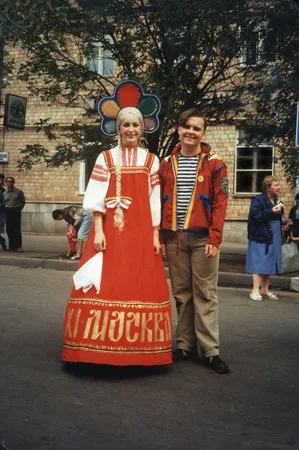
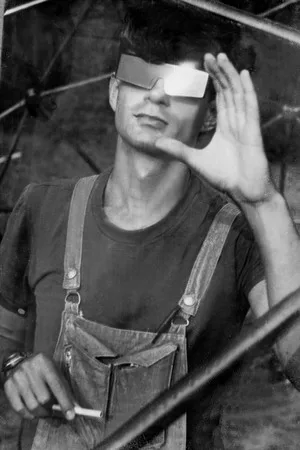
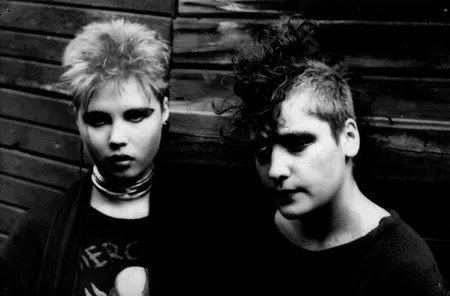
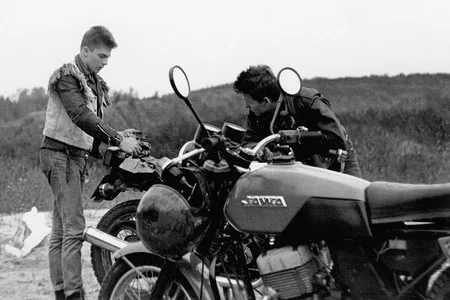
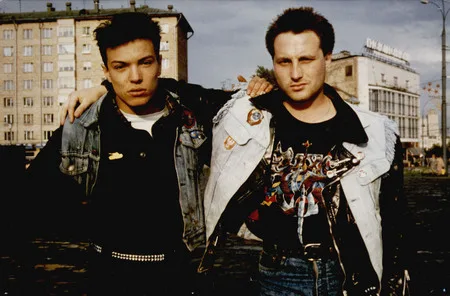
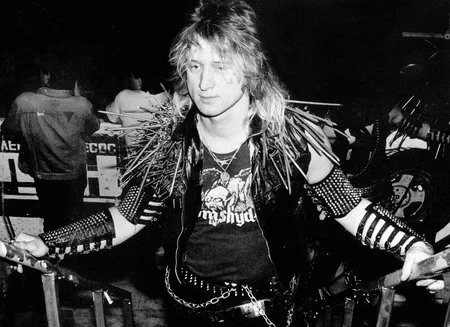
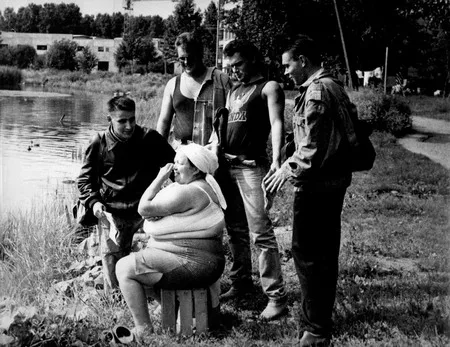
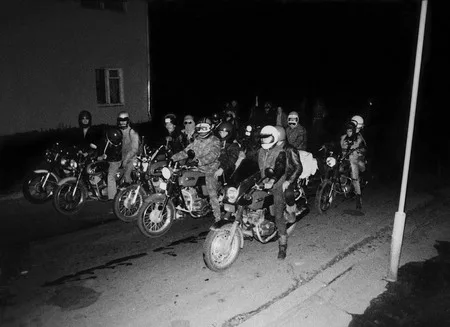
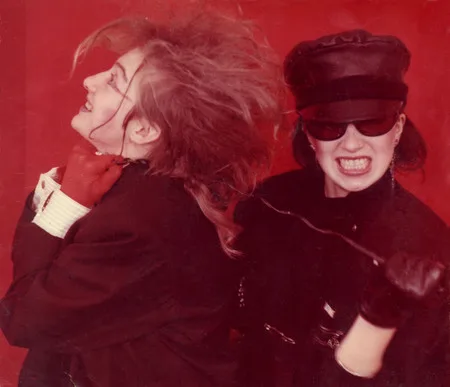
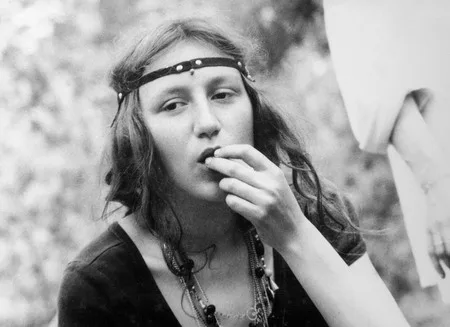
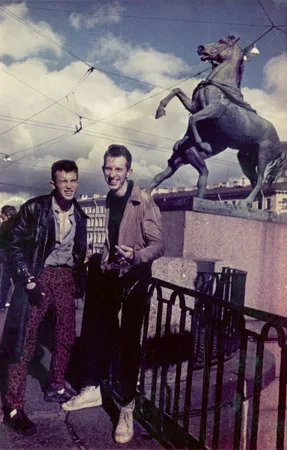
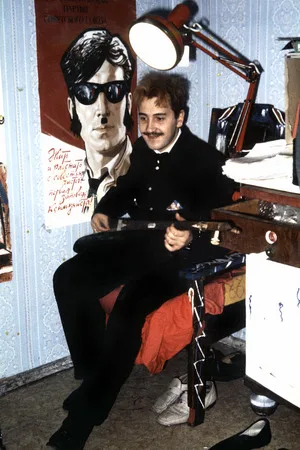
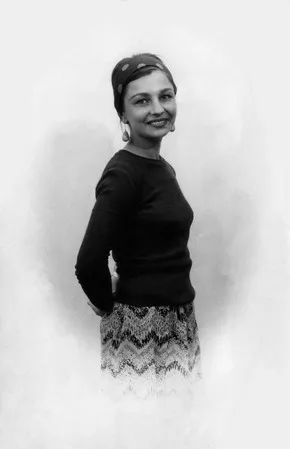
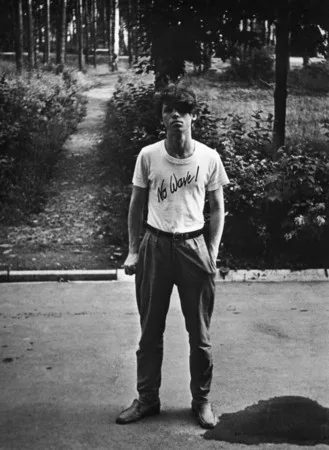
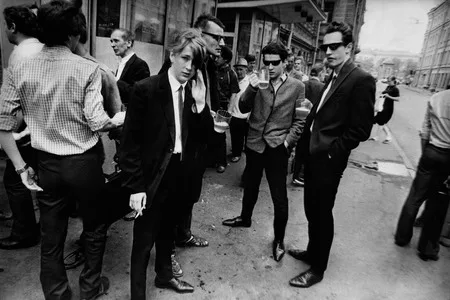
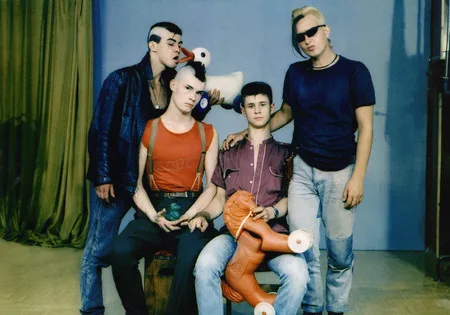
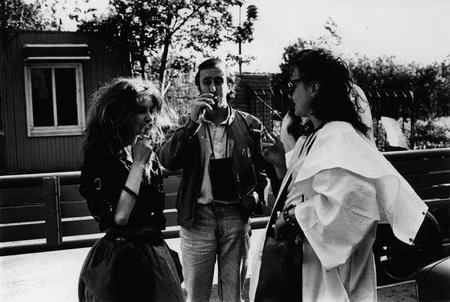
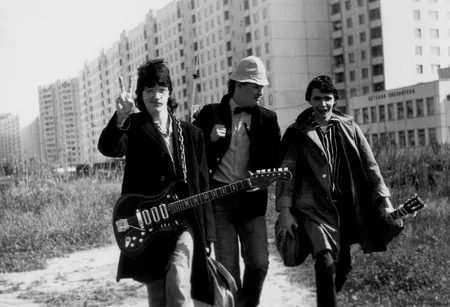
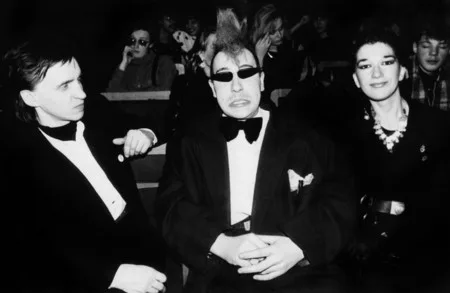
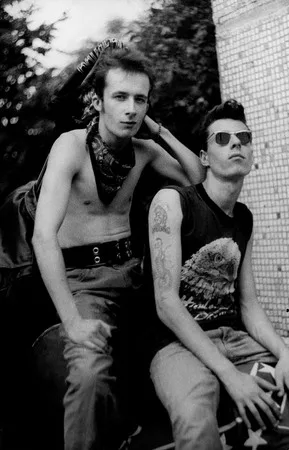
Melky, Sabbat, Lebed’ in Red Square. Moscow. 1987. Dima Sabbats collection
Curators: Irina Meglinskaya and Misha Baster
Hooligans of the 80s
1980s fashion: subculture style
The 1980s brought fashionable perestroikas and a perestroika of fashion. A period that saw the emergence of new styles and new creative spaces. Charged by the energy of anticipated change, Soviet youth created new musical styles, street fashion, communal squats...
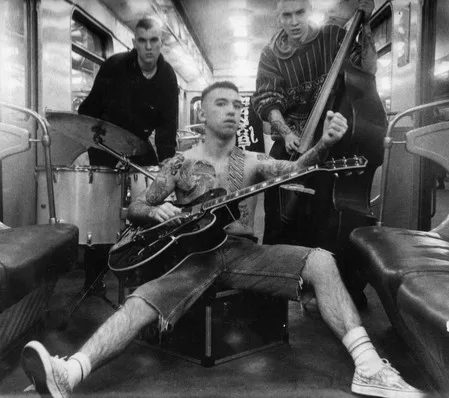
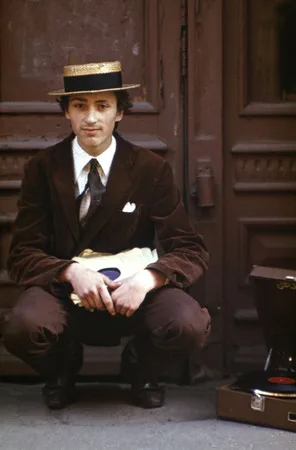
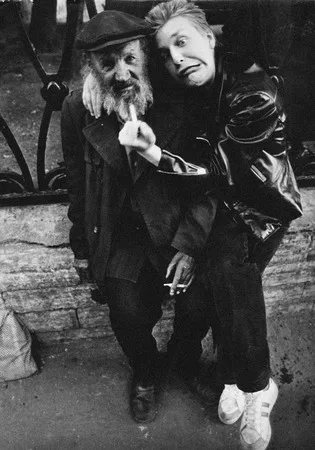
This project by Misha Baster and Irina Meglinskaya is a photographic history of the Soviet artistic underground, an attempt to present anew and reconstruct something that many people experienced and then forgot. Bikers, breakdancers, Teddy boys, New Wavers, punks, metalheads, rockers, rockabillies. Zhanna Aguzarova, Garri Assa, Alexander Petlyura, Andrei Bartenev, Viktor Tsoi, Sergei Kuryokhin, Timur Novikov, Malchishnik and Dolphin... More than three hundred amateur or professional, black-and-white or colour photographs from the private archives of those who took part in 1980s street movements, from squares, bridges, streets, concerts, kitchens, beaches, motorcycles, escalators, railway tracks, balconies, benches, bus stops, stages and stadiums.
This alternative to the Soviet regime originated from subcultures formed in the early 1980s. Their participants and heroes occupied squats and street podiums, inveigling ordinary passers-by to join them in a celebration of civil disobedience. The exaggerated dress code, hairstyles, tattoos and make-up were intended to shock, it was a demonstration of freedom and independence pushed to the limit, challenging’normal’, conventional Soviet imagery.
The photo-premiere’Hooligans of the 80s’ is part of the eponymous project to be continued in Misha Baster’s book. In a series of interviews those involved in these provocative street protests give the author and co-participant their own view of the turbulent 1980s, when they used their perception of trendsetting foreign ideas and experimental music to create a unique world with its own fashion, music, language and marketplace. The book consists of more than twenty interviews with outstanding representatives of unofficial culture, and over eight hundred photographs from their personal archives.’In the perestroika period many adolescents took up brutal non-Soviet concepts characterised by anti-heroism, bravado and the originality of the hooligan. All this happened as part of the clash between’normal’ and’abnormal’, and these style images, in turn, protected our own adolescent idealism and became key criteria in the search for others like ourselves on the streets of many Soviet cities’ (M. Baster).
The 1980s marked a turning point in the stylistics of the country as a whole.’Lifting’ the Iron Curtain so that new rhythms, new goods and fabrics filtered through proved problematic for adolescent identity, but nonetheless introduced the possibility for experimentation in human relations, in self-expression and lifestyle. These aesthetics were projected into contemporary society to the acoustic accompaniment of musicians who would become part of the project, a soundtrack to the history of 1980s hooligans.
Where it was shown
Central exhibition hall ManegeMoscowМанежная площадь, д. 1
31 March — 26 April 2009
Гар Сен-СаверЛилльбульвар Жан-Батист Леба
5 June — 12 July 2009
Supported by
